How To Make Compost For A Vegetable Garden In Days
Composting is a great way to reduce your environmental impact and improve the health of your vegetable garden. By composting your food scraps and yard waste, you can turn these materials into a nutrient-rich soil amendment that will help your plants grow strong and healthy.
In this blog post, we will show you how to make compost for your vegetable garden in just 10 days. We will provide you with all the information you need, including the right materials to use, how to set up your compost bin, and how to care for your compost pile.
What is Compost?
Compost is a natural material that is made from the decomposition of organic matter. It is rich in nutrients and beneficial microorganisms, which makes it a valuable addition to any vegetable garden.
There are many different ways to make compost, but the basic process is always the same. Organic matter is piled up in a heap or bin, where it is broken down by bacteria, fungi, and other microorganisms. As the organic matter decomposes, it releases nutrients that are absorbed by the soil.
Why Compost for Your Vegetable Garden?
There are many benefits to composting for your vegetable garden. Here are just a few:
- Compost improves the quality of your soil. It adds nutrients, organic matter, and beneficial microorganisms to the soil, which helps to improve drainage, aeration, and water retention.
- Compost helps to reduce plant diseases. The beneficial microorganisms in compost help to suppress plant diseases.
- Compost helps to attract beneficial insects. The beneficial microorganisms in compost attract beneficial insects, such as ladybugs and bees, which help to control pests and pollinate your plants.
- Compost saves you money. You can save money on fertilizer and soil amendments by using compost.
How to Make Compost in 10 Days
To make compost for your vegetable garden in just 10 days, you will need the following materials:
- A compost bin or pile
- Green materials (such as vegetable scraps, coffee grounds, and grass clippings)
- Brown materials (such as dead leaves, straw, and wood chips)
- Water
- A pitchfork or shovel
Instructions
- Choose a location for your compost bin or pile. It should be in a shady spot that receives some sunlight.
- If you are using a bin, make sure it has enough ventilation holes. If you are using a pile, make sure it is at least 3 feet high and 3 feet wide.
- Add a layer of brown materials to the bottom of the bin or pile.
- Add a layer of green materials.
- Continue alternating layers of brown and green materials until the bin or pile is full.
- Water the compost pile or bin thoroughly.
- Turn the compost pile or bin every few days to aerate it.
- After 10 days, your compost should be ready to use.
Tips for Making Compost
- For faster composting, chop up your green materials into small pieces.
- If your compost pile or bin is too wet, add some dry brown materials. If it is too dry, add some water.
- Avoid adding meat, dairy, or pet waste to your compost pile. These materials can attract pests and create unpleasant odors.
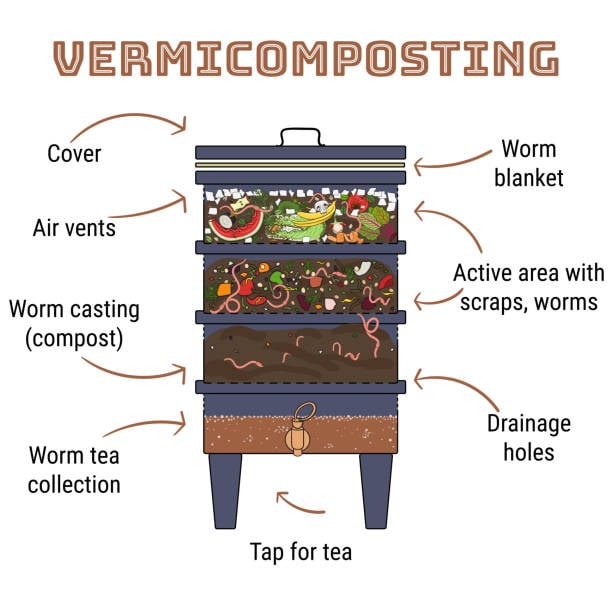
- If you have a small space, you can make compost in a worm bin. Worm bins are a great way to compost food scraps and other organic matter indoors.
Conclusion
Making compost for your vegetable garden is a great way to reduce your environmental impact and improve the health of your plants. By following the simple instructions in this blog post, you can make compost in just 10 days.
Composting is a rewarding hobby that can save you money and help the environment. So what are you waiting for? Get started composting today!
Compost is a great way to improve the health of your vegetable garden. It adds nutrients, helps to improve drainage and aeration, and can suppress plant diseases. If you're looking for the best compost for your vegetable garden, Home Gardening has a wealth of information.
Home Gardening offers a comprehensive guide to composting for vegetable gardens, including:
- The different types of compost and how to choose the right one for your needs
- How to make your own compost at home
- How to add compost to your vegetable garden
- The benefits of using compost in your vegetable garden
Home Gardening also has a blog with articles on a variety of gardening topics, including composting. In their blog post "[title of blog post]", they discuss the importance of using compost in vegetable gardens and provide tips on how to make and use compost.
If you're serious about growing healthy vegetables, I encourage you to visit Home Gardening for more information about compost.
FAQ of compost for vegetable garden
- What is compost?
Compost is a natural substance made from decomposing organic matter, such as food scraps, yard waste, and manure. It is rich in nutrients and beneficial microbes, which makes it an excellent addition to vegetable gardens.
- What are the benefits of using compost in a vegetable garden?
Compost improves the soil's structure, drainage, and water retention. It also adds nutrients to the soil, which helps plants grow healthier and more productive. Compost can also help to suppress weeds and pests.
- What are the different types of compost?
There are two main types of compost: hot compost and cold compost. Hot compost is created by piling organic matter together and turning it regularly. This process creates heat, which helps to speed up the decomposition process. Cold compost is created by adding organic matter to a bin or pile and letting it decompose naturally. This process takes longer than hot composting, but it is a more passive method.
- What are the best materials to use for compost?
The best materials to use for compost are a mix of green and brown materials. Green materials are high in nitrogen, such as food scraps, grass clippings, and manure. Brown materials are high in carbon, such as leaves, straw, and wood chips. A good compost pile should have a 3:1 ratio of green to brown materials.
- How do I make compost?
There are many different ways to make compost. The simplest method is to create a pile of organic matter in a sunny spot in your yard. You can also use a compost bin or tumbler. If you are making a compost pile, you will need to turn it regularly to help aerate the materials and speed up the decomposition process.
- How do I know when my compost is ready?
Compost is ready to use when it is dark brown or black and has a crumbly texture. It should also have a pleasant, earthy smell. If your compost is still too green or wet, it needs more time to decompose.
- How do I add compost to my vegetable garden?
You can add compost to your vegetable garden in a number of ways. You can mix it into the soil before planting, add it to the planting holes, or topdress the soil with it. You can also use compost as a mulch around your plants.
- What are some of the common problems with composting?
Some of the most common problems with composting include:
* Not enough moisture: Compost needs to be kept moist in order for the decomposition process to occur. If your compost is too dry, it will not decompose properly.
* Not enough air: Compost also needs to be aerated in order for the decomposition process to occur. If your compost is too compacted, it will not decompose properly.
* Unwanted materials: Some materials, such as meat, dairy, and pet waste, should not be composted. These materials can attract pests and diseases.
* Immature compost: Compost that is not fully decomposed can contain harmful bacteria and pathogens. It is important to let compost mature for at least 6 months before using it in your vegetable garden.
Image of compost for vegetable garden
10 different images of compost for vegetable garden that are free to use:
- A pile of compost made from a variety of organic materials, including food scraps, yard waste, and wood chips.
- A close-up of a handful of compost, showing the dark brown color and crumbly texture.
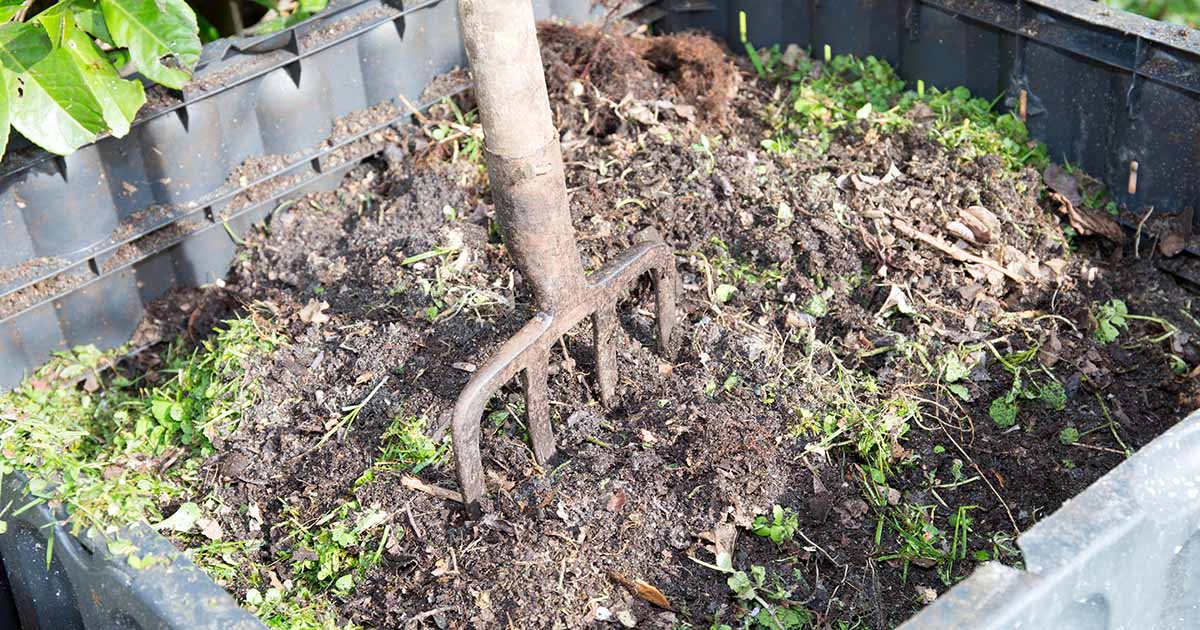
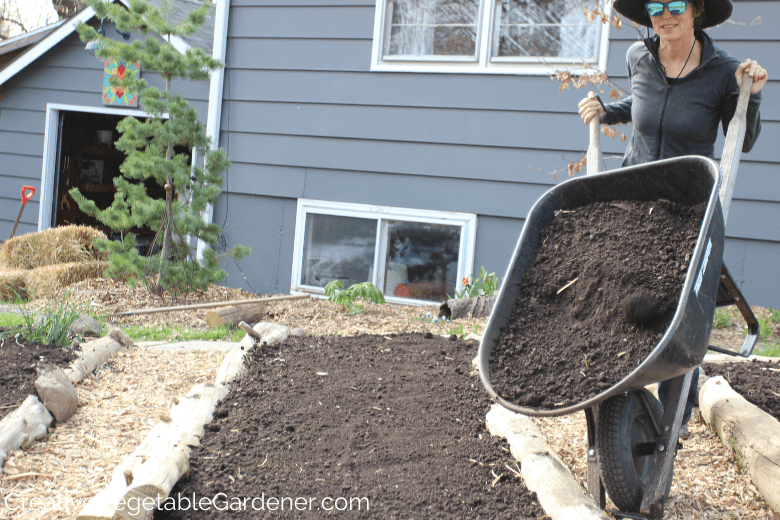
- A gardener using a shovel to add compost to a vegetable garden bed.
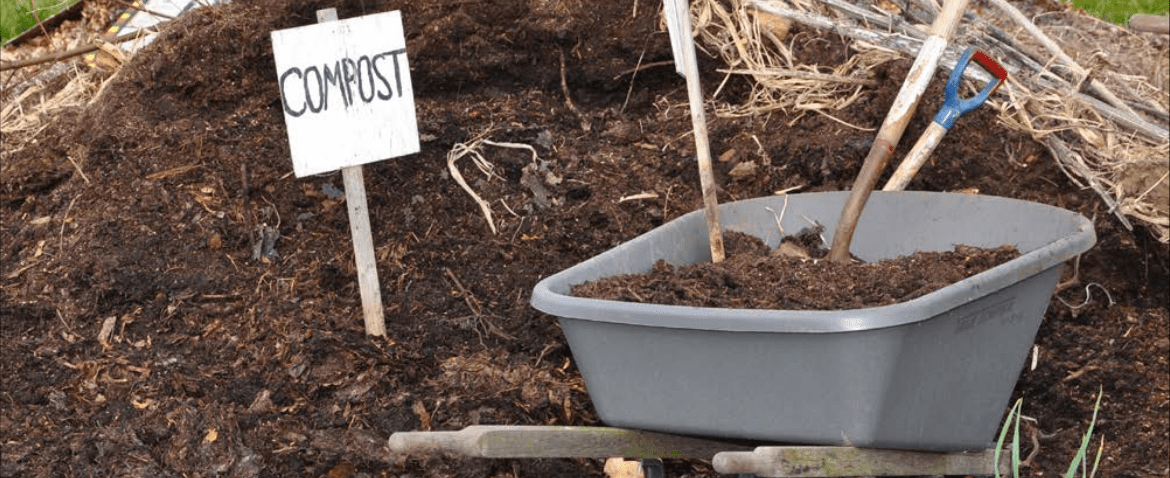
- A plant growing in soil that has been amended with compost. The plant is healthy and green, and the soil is loose and dark.
- A worm bin, which is a type of compost bin that uses worms to break down organic matter.
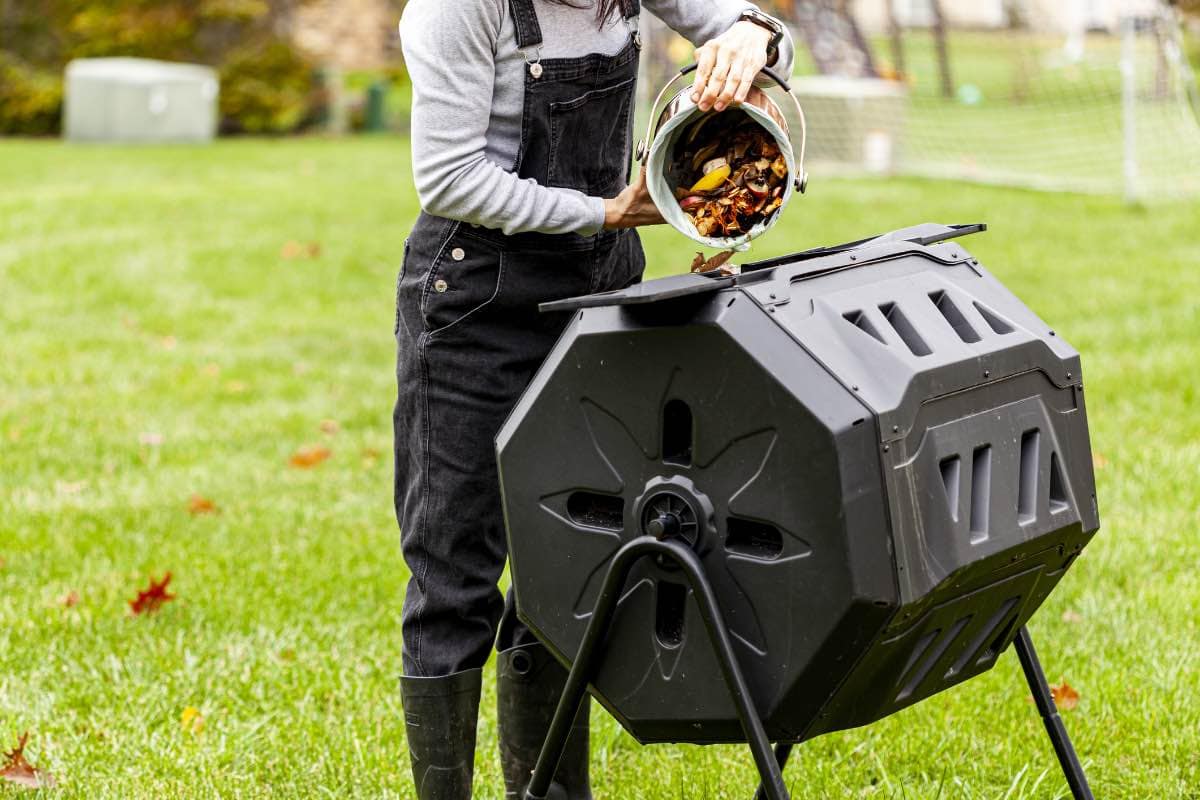
- A tumbler composter, which is a type of composter that uses rotating drums to aerate the compost.
- A bag of compost that is ready to use in the garden.
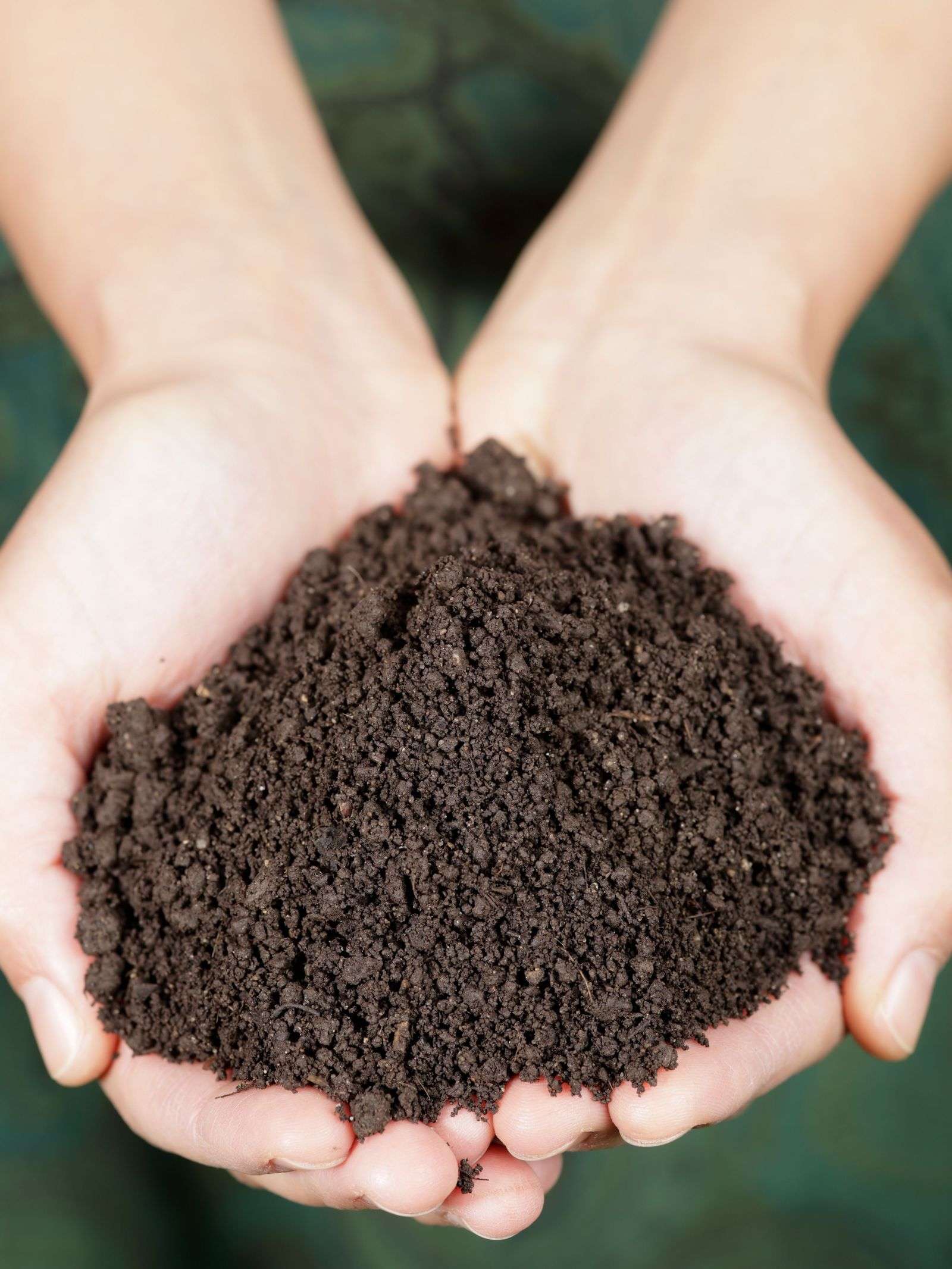
- A sign that says "Compost for sale".
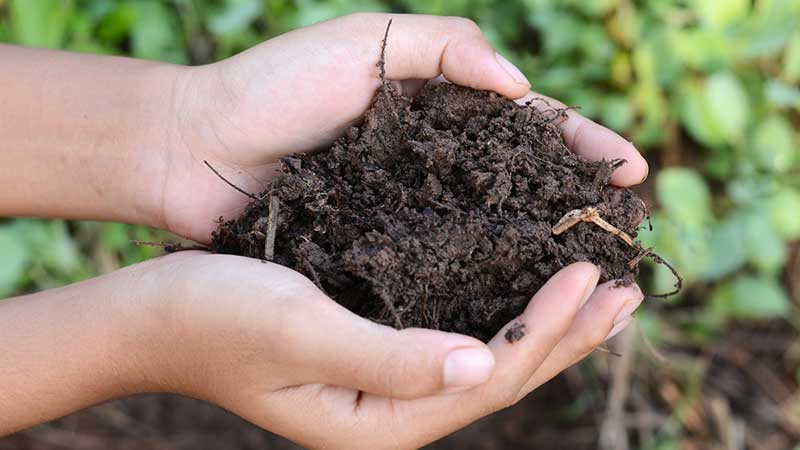
- A person loading compost into a wheelbarrow.

- A person spreading compost in a vegetable garden bed.
Post a Comment for "How To Make Compost For A Vegetable Garden In Days"